
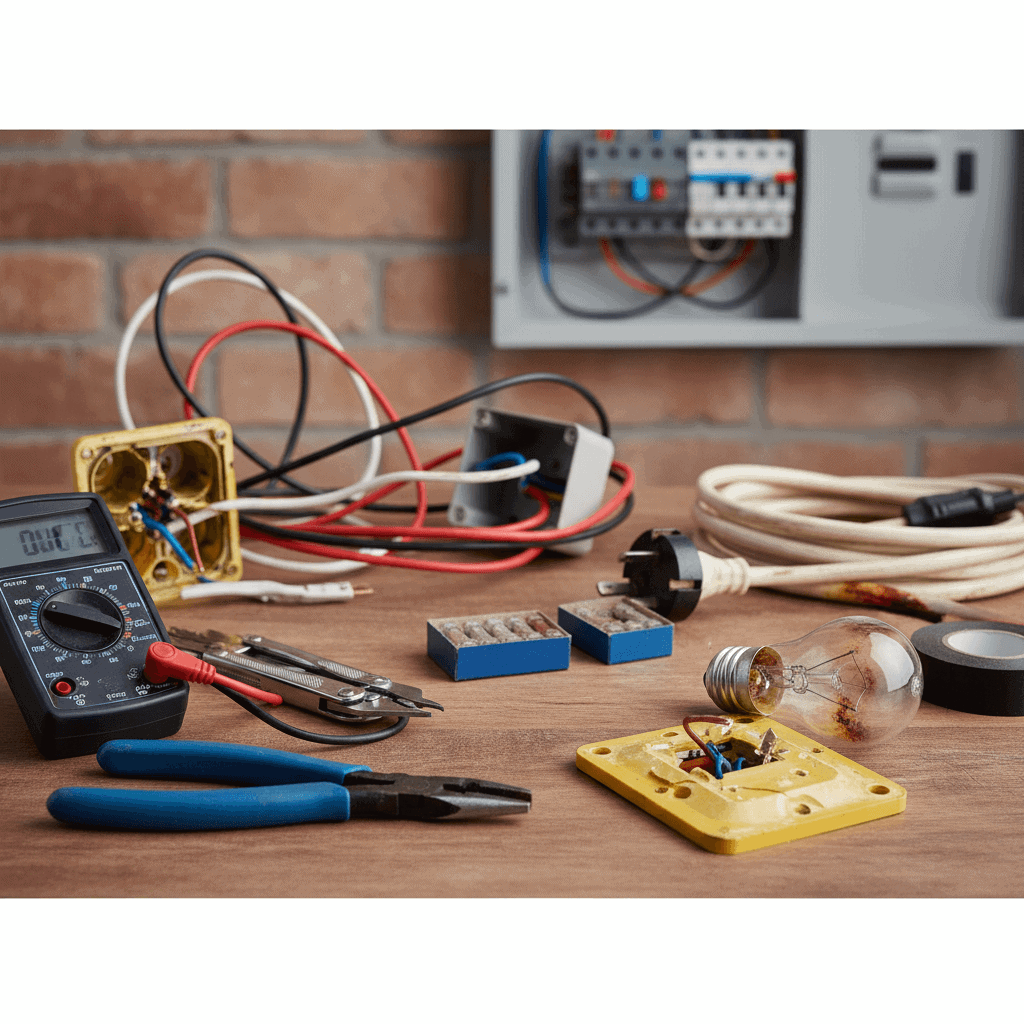
As experts in creating ideal living spaces, we understand that true home comfort and beauty go beyond just aesthetics. A truly well-designed home rests on a foundation of safety and flawless functionality. Electrical systems are often out of sight, but they are the lifeblood of any modern residence, powering our daily lives and keeping us comfortable.
When these vital systems develop issues, it can disrupt everything. Minor glitches can quickly escalate into serious hazards. We believe that addressing common residential electrical repair needs is a crucial part of maintaining the integrity and peace of your home environment.
I want to share my insights on these common electrical concerns and explain why prompt, professional attention is always the best approach. Ensuring your electrical system is in top condition is an essential step towards enjoying a truly ideal interior.
Understanding Your Home’s Electrical System Basics
Every home has a complex network of wires, outlets, switches, and circuit breakers. This system brings power from the utility company into your house. It then distributes that power safely to all your lights and appliances. Understanding the basics helps you identify when something is not working correctly.
The main components include the electrical panel, which houses the circuit breakers. These breakers act as safety switches. They trip and cut power when a circuit is overloaded or short-circuits. You also have numerous outlets and switches throughout your home, connecting everything to this central system. For us in interior design, a functional electrical setup means we can place lighting and create layouts without worrying about power limitations or hazards. It is a hidden but essential part of the design process.
A house with a faulty electrical system cannot truly be ideal. Dimming lights or buzzing outlets detract from any carefully crafted decor. More importantly, they signal potential dangers. Knowing the signs of trouble is the first step toward a safe and beautifully powered home.
Recognizing Essential Electrical Components
I always advise homeowners to familiarize themselves with their electrical panel. This panel is the central hub for all electrical circuits in your home. Each switch or breaker controls a specific area or set of outlets. Knowing which breaker controls which part of your house can be very useful for troubleshooting minor issues or for safety during renovations.
Outlets and switches are the parts we interact with most often. Ground Fault Circuit Interrupter outlets, known as GFCIs, are common in wet areas like bathrooms and kitchens. Arc Fault Circuit Interrupter outlets or AFCIs provide protection against electrical fires from arc faults. We often plan for these safety features when designing new kitchen or bathroom layouts. This ensures the space is both stylish and up to code. Understanding these elements can empower homeowners to quickly spot problems.
Flickering Lights and Dimming Issues
One of the most common residential electrical repair needs I encounter involves flickering or dimming lights. This issue is not just annoying; it often signals a deeper problem. I have seen how this can completely ruin the ambiance of a carefully designed living room. It also points to potential safety risks within the electrical system.
Often, flickering lights are a symptom of loose wiring. This can happen at the fixture itself, in the switch, or inside the electrical panel. Loose connections create resistance, which generates heat and causes power fluctuations. This heat is dangerous and can lead to electrical fires. Sometimes, the problem is a circuit that is simply overloaded. This means too many high-power devices are drawing power from a single circuit. When this happens, the circuit struggles to provide consistent electricity, resulting in dimming lights when other appliances kick on. I always recommend investigating these issues promptly to prevent more serious damage or hazards.
Causes of Inconsistent Lighting
The first step in addressing flickering lights is to identify the source. If only one light fixture flickers, the issue is likely isolated to that fixture or its switch. It could be a loose bulb or a faulty connection within the fixture itself. However, if multiple lights on the same circuit flicker, it points to a wider problem. This could involve issues with the circuit breaker or even the main service line coming into your home.
I always suggest starting with the simplest solution. Check if the bulb is screwed in tightly. Test the light with a different bulb if possible. If the problem persists, the next step involves checking the switch connections or the wiring in the fixture. If you are not comfortable with these tasks, calling a professional is wise. We prioritize safety above all else, and electrical work requires precision and knowledge.
Frequent Circuit Breaker Trips
Dealing with frequent circuit breaker trips is another widespread electrical problem many homeowners face. This is one of the most common residential electrical repair needs. When a breaker trips, it means it is doing its job. It prevents an overload or short circuit from causing damage or fire. However, if it happens often, it clearly indicates an underlying issue that needs attention.
Most often, a tripping breaker points to an overloaded circuit. Modern homes use more electricity than older homes were designed for. We have computers, large screen TVs, gaming consoles, and multiple kitchen appliances all drawing power. A circuit designed for a few lights and a radio might now be powering an entire entertainment center. When too many devices operate simultaneously on that single circuit, the breaker trips to prevent overheating. This disrupts daily life and forces you to constantly reset the breaker, which is not a long-term solution.
Distinguishing Overloads from Faults
It is important to understand the difference between a circuit overload and an actual fault. An overload means you have too many appliances plugged into one circuit. This is common in older homes or in areas with insufficient outlets. A short circuit or a ground fault is more serious. This occurs when an energized wire touches another conductor. This creates a direct path for electricity to bypass its normal route. It causes a surge in current that immediately trips the breaker. It indicates a wiring problem or a faulty appliance.
If your breaker trips immediately after you reset it, or if it trips without any new appliances being plugged in, it is likely a short or ground fault. This situation requires immediate professional attention. I always advise against repeatedly resetting a breaker that keeps tripping. This can damage your electrical system and pose a fire hazard. We always consider the home’s electrical capacity when planning interior updates. It ensures the design supports modern living without overtaxing old systems.
Outlets Not Working or Showing Scorch Marks
Faulty outlets are a significant item on the list of common residential electrical repair needs. An outlet that simply does not work is a nuisance. It limits where you can place lamps or charge devices. However, outlets that show visible scorch marks or emit a burning smell are a serious safety concern. These signs demand immediate attention from a qualified professional.
Scorch marks around an outlet usually mean there is overheating. This could be due to loose wiring behind the outlet, a damaged outlet, or an overloaded circuit. The heat can melt insulation and ignite nearby flammable materials. A burning smell often accompanies this, which is a clear warning sign of an electrical fire risk. I have often seen these issues in older homes where the wiring has deteriorated over time. They are also common in areas where homeowners have used extension cords as permanent solutions. This practice can easily overload outlets.
Addressing Outlet Safety and Functionality
When an outlet stops working, the first step is to check if a circuit breaker has tripped. If not, the issue could be with the outlet itself. It may have a loose connection or be at the end of its lifespan. Replacing a faulty outlet is a job that many capable homeowners can handle. However, I always emphasize disconnecting power at the breaker first. Safety is paramount.
For scorch marks or burning smells, do not try to fix it yourself. This situation requires an immediate professional assessment. They can diagnose the exact cause of the overheating. They can fix the underlying wiring issue or replace damaged components. Ensuring all outlets are in good working order and safely installed is foundational to both a functional home and a secure living environment. This lets us design spaces knowing everything works as it should.
Wiring Problems and Outdated Electrical Panels
Wiring problems and outdated electrical panels represent some of the most critical common residential electrical repair needs. These issues often remain hidden behind walls. They can pose significant risks without homeowners even realizing it. Many older homes still operate on electrical systems that are simply not equipped for today’s power demands. This disparity leads to frequent problems and safety concerns.
Homes built before the 1950s might have knob and tube wiring. This wiring system lacks a ground wire, which is a vital safety feature found in modern electrical systems. It also features insulation that can become brittle and crack over time, exposing bare wires. Residences from the 1960s and 70s might have aluminum wiring. Aluminum wiring can expand and contract more than copper, leading to loose connections and fire hazards. An outdated electrical panel itself may not have enough capacity or safety features. It cannot handle the number of circuits needed for a modern household. This often results in flickering lights, frequent trips, or even hot spots around the panel.
Upgrading for Safety and Efficiency
If your home has old wiring like knob and tube or aluminum, I strongly recommend a professional inspection. Replacing outdated wiring can be a big project. But it significantly enhances safety and brings your home up to current electrical codes. This upgrade provides peace of mind. It also allows for more flexible interior design options, knowing your electrical system can support new lighting layouts or smart home technology.
Similarly, upgrading an old electrical panel is a wise investment. A new panel can accommodate more circuits and includes modern safety features. It ensures a stable and reliable power supply for your entire home. This also opens up possibilities for new appliances or additions. I always integrate discussions about electrical infrastructure with my clients when planning major renovations. This ensures the aesthetic vision is supported by a robust and safe electrical backbone.
The Importance of Professional Electrical Inspections
Regular professional electrical inspections are a proactive step against many common residential electrical repair needs. Just like you get your car serviced, your home’s electrical system benefits from expert eyes reviewing its condition. These inspections can catch small issues before they become expensive repairs or dangerous hazards. This preventative measure is something I consistently advise all homeowners to consider.
An electrician will check your entire electrical system. This includes the wiring, outlets, switches, and the main electrical panel. They look for signs of wear, damage, or improper installations. They can identify overloaded circuits, outdated wiring, and components that do not meet current safety standards. An inspection is especially crucial if you live in an older home, are buying or selling a property, or planning a major renovation. It provides a detailed report on the health of your electrical system. This knowledge empowers you to make informed decisions about necessary repairs or upgrades. It also helps prevent potential fire risks or electrical shocks.
When to Schedule an Inspection
I advise scheduling a professional electrical inspection in several key scenarios. If you are purchasing an older home, an inspection reveals any hidden electrical issues before you commit to the purchase. This gives you leverage during negotiations or helps you budget for necessary upgrades. If you live in an older home and have never had a comprehensive electrical check, now is a great time. Technology advances quickly, and older systems may not handle modern demands safely.
Anytime you undertake a major renovation, especially in kitchens or bathrooms, an electrical inspection ensures the new layout and appliances can be safely powered. Even without a major project, a check every five to ten years provides a good overview of your system’s health. Taking this step can uncover problems you didn’t even know existed. It saves money and provides significant safety benefits in the long run.
Don’t DIY When it Comes to Electrical Safety
While some home repairs are perfect for the DIY enthusiast, electrical work is almost never one of them. Attempting to tackle common residential electrical repair needs without proper training and tools is incredibly risky. I always tell my clients that amateur electrical work can have severe consequences. These consequences range from personal injury and electrocution to devastating house fires.
Electrical systems are intricate. They require a deep understanding of electrical codes, wiring diagrams, and safety protocols. A simple mistake like incorrect wiring or using the wrong gauge wire can lead to overloaded circuits, short circuits, or ground faults. These issues can damage appliances. They can also create fire hazards that are difficult to detect until it is too late. There is a reason licensed electricians undergo extensive training and certification. Their expertise ensures the work is done correctly and safely, protecting your home and family.
When to Involve a Licensed Electrician
Knowing when to call a licensed electrician is a vital part of homeownership. Any electrical task that goes beyond changing a light bulb or resetting a tripped breaker should involve a professional. This includes diagnosing flickering lights, persistent circuit breaker trips, non-functioning outlets, or any signs of overheating or burning smells. If you are considering upgrading your electrical panel, adding new circuits, or rewiring parts of your home, always hire an expert. Their knowledge ensures that the work complies with all local codes and safety regulations. This prevents future problems and protects your home’s value.
It is worth the investment to have these critical tasks handled by someone with the right qualifications. You can usually find trusted electricians through local recommendations or professional associations. They provide safe, reliable solutions for all your electrical needs. This way, you can enjoy your beautiful home without worrying about hidden electrical dangers. It lets you relax knowing your home is sound.
Prioritizing Safety in Your Ideal Home
Addressing common residential electrical repair needs is not just about convenience; it is fundamentally about ensuring the safety and longevity of your home. From flickering lights and frequently tripping breakers to scorch marks on outlets and outdated wiring, each electrical symptom tells a story. That story often highlights a need for professional intervention. Ignoring these signs can lead to significant hazards. It compromises the comfort and integrity of your living space. As interior designers, we understand that a truly ideal home offers both beauty and absolute peace of mind. This peace of mind comes from knowing that all its foundational systems, especially the electrical ones, are sound.
I have discussed the various issues we commonly see. I have highlighted the importance of understanding your home’s electrical system, recognizing warning signs, and knowing when to call in the experts. It is a critical responsibility for every homeowner. Never underestimate the dangers of faulty electrical work or the value of preventative maintenance. Prioritize professional electrical inspections and repairs. This safeguards your investment and protects your family. A safe home is a happy home, and a functional electrical system is key to that happiness. So do not delay in addressing these important concerns.