
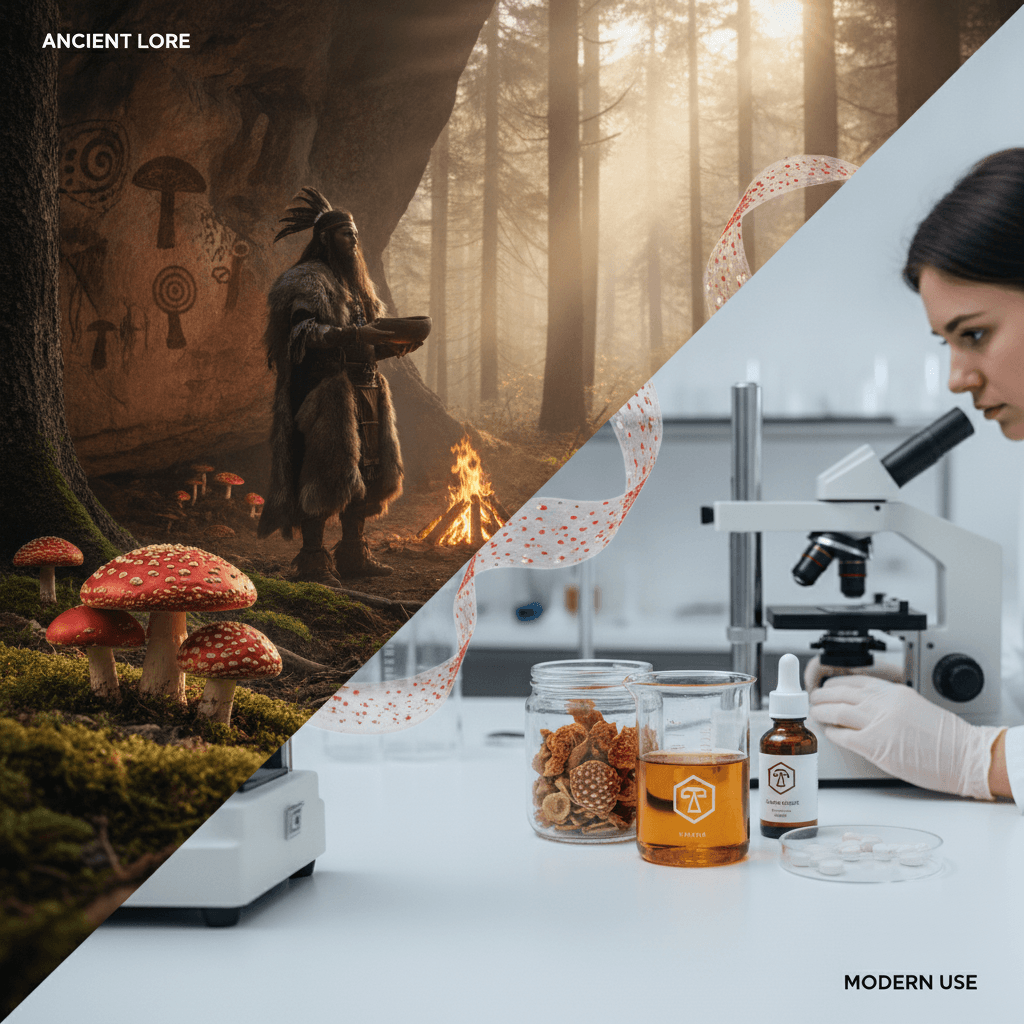
We often think about how different elements combine to create a perfect space or a pleasing aesthetic in our homes. Similarly, the natural world offers its own intricate designs and storied pasts. Today we are looking at something truly unique, a botanical specimen that has woven itself into the fabric of human history. This is the Amanita Muscaria, a mushroom with an appearance as striking as its ancient reputation.
I find it fascinating how certain natural forms capture our imagination and hold a special place in cultural narratives. This iconic fungus, with its bright red cap dotted with white flakes, stands out in forests and in folklore. Its journey from being a mysterious object of ancient rituals to a subject of modern scientific inquiry is a long and interesting one, showing how much we can learn from the natural world around us.
Our goal here is to delve into the rich history and modern understanding of Amanita Muscaria. We will explore its botanical features, its role in various societies through the ages, and what contemporary research reveals about its properties. We aim to provide clear, factual insights into this compelling organism, just as we strive to offer clarity in designing ideal living environments.
The Iconic Red Cap: Understanding Amanita Muscaria’s Botanical Identity
When you picture a fairy tale mushroom, you are probably thinking of Amanita Muscaria. Its vivid appearance makes it one of the most recognizable fungi on Earth. This mushroom typically features a bright red to orange cap, often adorned with distinctive white or yellowish warts, which are remnants of the universal veil that covered it when young. These warts can sometimes wash off in heavy rain, but the overall shape and color remain unmistakable.
The Amanita Muscaria is found across the Northern Hemisphere, thriving in coniferous and deciduous forests. It forms a symbiotic relationship with tree roots, especially pine, spruce, birch, and oak trees. This mycorrhizal relationship is crucial for both the mushroom and the trees, showing nature’s clever balance. The mushroom helps trees absorb nutrients from the soil, and in return, the tree provides sugars to the fungus. We understand that details like these are important for a complete picture, much like understanding the foundational elements of a well-designed room.
Beneath its striking cap, Amanita Muscaria has white gills that extend from the stem to the edge of the cap. The stem itself is thick and white, often featuring a skirt-like ring, which is another remnant of the universal veil. At the base, there is a bulbous volva, a cup-like structure that helps identify it as an Amanita. Knowing these specific features is key to proper identification, which is especially important for any wild mushroom.
Geographical Spread and Habitat Preference
Amanita Muscaria has a remarkable ability to adapt to different environments. You can find it from the boreal forests of Siberia to the temperate woodlands of Europe and North America. This wide distribution speaks to its resilience and the success of its ecological partnerships. Its presence is often a beautiful and sometimes surprising sight on the forest floor, a flash of color against the greens and browns.
It prefers cooler climates, which is why it is so prevalent in northern regions. We see it emerge in late summer and autumn, often after a good rainfall. The mushroom’s vibrant colors serve a purpose in nature, but for humans, they have sparked centuries of wonder and discussion. This adaptability and pervasive presence are qualities we admire, much like the versatility of classic design principles that work across many different settings.
Amanita Muscaria in Ancient Lore and Cultural Practices
The history of Amanita Muscaria is deeply intertwined with human culture, dating back thousands of years. Early evidence suggests its use in shamanic and religious ceremonies across various indigenous groups, particularly in Siberia. These ancient peoples revered the mushroom, believing it to be a bridge between the physical and spiritual worlds. Its appearance alone, resembling something magical, likely fueled these mystical associations.
In many of these traditions, shamans would consume the mushroom to induce altered states of consciousness, allowing them to communicate with spirits, heal the sick, or foresee future events. The specific rituals and preparations varied greatly from one tribe to another, but the mushroom’s central role remained constant. We observe similar patterns in design where foundational elements are adapted to suit specific cultural needs and expressions.
Some theories even connect Amanita Muscaria to various mythologies and folklore across Europe and Asia. There are speculations that it inspired elements of fairy tales, with its red and white colors resembling Santa Claus’s suit or the magical mushrooms found in children’s stories. While these links are often debated, they show the mushroom’s powerful hold on our collective imagination. It is a testament to how natural phenomena can inspire generations of stories and beliefs, shaping cultural understanding over centuries.
Chemical Composition and Traditional Preparation
Amanita Muscaria contains several psychoactive compounds, primarily ibotenic acid and muscimol. Ibotenic acid is a neurotoxin that can cause nausea and disorientation. However, when the mushroom is dried or cooked, ibotenic acid decarboxylates, meaning it converts into muscimol. Muscimol is the compound responsible for most of the mushroom’s reported psychoactive effects, and it is significantly less toxic than ibotenic acid.
This conversion process is crucial for traditional use. Indigenous cultures understood this need for careful preparation through generations of experiential knowledge. They developed methods to dry the mushrooms, often near a fire or in the sun, sometimes even passing them through reindeer, which metabolize the ibotenic acid into muscimol in their urine. This highlights the practical wisdom developed by ancient cultures regarding natural resources.
The goal of these preparations was to reduce the undesirable effects of ibotenic acid while enhancing the desired effects of muscimol. Without proper processing, consuming raw Amanita Muscaria can lead to severe discomfort and even poisoning. Understanding this delicate balance between toxicity and desired effect is vital. It reminds us that even natural elements require respect and careful handling to be truly beneficial or even just safe.
The Science Behind the Conversion
The chemical transformation from ibotenic acid to muscimol involves heating, which essentially removes a carboxyl group from the ibotenic acid molecule. This process is similar to how we might modify raw materials in design to achieve a refined, functional product. The resulting muscimol interacts with GABA receptors in the brain, which are responsible for calming nervous activity. This interaction is different from that of psilocybin mushrooms, which affect serotonin receptors. So the experience it provides is distinct.
This chemical difference is important for understanding the unique effects of Amanita Muscaria. Traditional users may not have understood the chemistry, but they certainly understood the practical outcomes. Their methods were empirically derived, proving effective through trial and error over long periods. We appreciate this kind of deep-seated, practical knowledge, much like the proven principles that guide our interior design choices.
Deciphering the Effects of Amanita Muscaria
The effects of Amanita Muscaria are often described as varied and dose-dependent. Users report experiences ranging from mild euphoria and relaxation to profound dream-like states and altered perceptions. It is not considered a classic psychedelic like psilocybin or LSD, but rather a deliriant or dissociative substance. This means the experience can feel less like vivid hallucinations and more like a trance or a waking dream.
Some individuals describe a shift in perspective, heightened senses, or a sense of detachment from reality. Others report physical effects like muscle twitching, sweating, and drowsiness. The exact experience depends on many factors, including the dosage, the individual’s body chemistry, and their set and setting. We have observed how personal experiences with an environment can vary, and this is much the same when considering interactions with potent natural substances.
It is important to emphasize that these effects can be unpredictable and are not always pleasant. Nausea, dizziness, and confusion are common side effects, especially with improperly prepared mushrooms or higher doses. The variability of the experience underscores the importance of respect and caution when dealing with such powerful natural compounds. My approach to understanding any natural element, from a simple plant to a complex organism, always involves a careful and informed perspective.
Distinguishing Effects from Psilocybin
A key point to understand is that Amanita Muscaria does not contain psilocybin. This means it does not produce the same type of “tripping” experience associated with other magic mushrooms. Instead, the muscimol primarily acts on GABA receptors, leading to its unique set of effects. This distinction is vital for anyone researching these fungi, because misconceptions can lead to dangerous situations.
The subjective nature of the experience also means that personal accounts can differ widely. One person’s profound insight might be another’s unsettling confusion. This variability is a consistent theme across many natural substances that affect human consciousness. We always advocate for accurate information and a balanced understanding of such topics, just as we guide clients toward informed decisions about their living spaces.
Modern Interest and Research into Amanita Muscaria
In recent years, Amanita Muscaria has seen a resurgence of interest, moving from the shadows of ancient lore into the spotlight of modern scientific inquiry. Researchers are now exploring the mushroom’s compounds for potential therapeutic applications. This renewed focus is part of a broader modern mushroom revival, where many fungi are being re-examined for their diverse properties.
Studies are looking into muscimol’s interaction with GABA receptors, particularly its potential role in sleep disorders, anxiety, and pain management. Early research is still in its infancy, but the unique mechanism of action offers interesting avenues for exploration. We believe in innovation and finding new ways to improve well-being, whether through interior design or exploring natural compounds responsibly.
The growing public curiosity also reflects a wider acceptance and desire to understand natural substances that were once dismissed or feared. People are seeking natural alternatives for health and wellness, prompting a more open dialogue and scientific investigation. This shift in perspective is valuable, as it allows us to uncover hidden potential and historical wisdom in a contemporary context.
Legal Landscape and Accessibility
Unlike psilocybin-containing mushrooms, Amanita Muscaria is not federally controlled in the United States, though its legal status can vary by state or municipality. This makes it more accessible for personal use and research, which in turn fuels further interest and debate. The legal nuances are complex, but they permit a level of exploration not afforded to other psychoactive fungi. This is an important consideration for anyone looking into its use.
The availability of Amanita Muscaria products, such as dried caps, extracts, and tinctures, has also increased. This accessibility demands a higher degree of consumer education and caution. We always stress the importance of understanding exactly what you are consuming and the potential risks involved. Informed choices are always the best choices, particularly when it comes to personal health and safety.
Responsible Engagement and Safety Considerations
Despite the growing interest, it is crucial to approach Amanita Muscaria with extreme caution and respect. We strongly advise against foraging and consuming wild Amanita Muscaria without expert guidance. There are many mushroom species that look similar to Amanita Muscaria but are deadly poisonous. Misidentification can have fatal consequences, so identification must be left to mycological experts.
Even with proper identification, the preparation process is vital for safety. Raw Amanita Muscaria contains higher levels of ibotenic acid, which can cause severe gastrointestinal distress and neurological symptoms. Traditional methods of detoxification, such as boiling and drying, are intended to convert ibotenic acid to muscimol. But even then, the potency can vary widely, making consistent dosing difficult and risky. Understanding potential dangers is as important as appreciating potential benefits.
If you are considering experimenting with Amanita Muscaria, we recommend consulting with medical professionals and mycological experts. They can provide accurate information and guidance on safe handling and potential risks. It is important to prioritize your health and well-being above all else. This principle aligns with our focus on creating safe, healthy, and functional living spaces that promote overall well-being.
Purchasing and Dosage Guidelines
For those interested in commercially available Amanita Muscaria products, ensure they come from reputable sources that provide clear information on processing and dosage. Always start with a very low dose to assess your individual sensitivity. Due to the variable nature of natural products, what is a mild dose for one person could be potent for another. We always advocate for a cautious, measured approach to new experiences.
Remember that the long-term effects of regular Amanita Muscaria use are not well understood. Therefore, moderation and informed decision-making are paramount. We encourage a thoughtful and educated approach to any substance that affects your body and mind. This responsible engagement with powerful natural elements is a cornerstone of safe and meaningful exploration.
Conclusion: Amanita Muscaria’s Enduring Legacy
Amanita Muscaria has traveled a fascinating path from ancient sacred rituals to modern scientific laboratories. Its striking appearance, rich cultural history, and unique chemical properties make it a truly compelling natural organism. We have explored its botanical identity, its profound impact on ancient societies, the science behind its traditional preparation, and the nuanced nature of its effects. We also looked at the growing contemporary interest and the critical need for responsible engagement. This mushroom serves as a powerful reminder of nature’s complexity and the deep connections humanity has always had with the world around us.
Just as we approach interior design with a blend of historical appreciation and modern innovation, we approach topics like Amanita Muscaria with respect for tradition and a desire for scientific understanding. It is a testament to how the natural world continues to inspire and challenge us, prompting new questions and deeper insights. I encourage you to continue learning about the diverse wonders of fungi and other natural elements that shape our world. Understanding these elements enriches our lives and helps us make more informed decisions in every aspect, from designing a living space to exploring natural history.