
As designers focused on creating ideal interior spaces, we often think about color palettes, furniture arrangements and the perfect decor. But true interior design goes much deeper than just aesthetics. A beautiful home is also a healthy and structurally sound home. One of the biggest silent threats to this ideal living environment is moisture.
Uncontrolled moisture can sneak into walls, floors and ceilings, causing damage that is both costly and unsightly. It affects the integrity of materials and can lead to a host of other issues impacting your health and comfort. We believe that understanding and managing moisture is a fundamental part of maintaining any well-designed space.
We are here to help you navigate this important aspect of home care. Taking prompt and effective action steps for moisture control protects your investment in your home. It ensures that your carefully chosen interior design elements remain pristine for many years.
Understanding the Enemy Identifying Common Moisture Sources
Moisture can invade your home from many different directions so identifying its source is always the first action step for moisture. Common culprits include leaky pipes, overflowing sinks and tubs, or even problems with your roof. Sometimes, the issue is more subtle like condensation building up on windows or inside wall cavities.
I have seen situations where a small roof leak went unnoticed for months. It caused extensive damage to a beautifully designed ceiling. This kind of hidden moisture often leads to expensive repairs and disrupts the entire living space. Basements and crawl spaces are also notorious for moisture buildup because they are often damp and poorly ventilated.
Visible Versus Hidden Dangers
Visible moisture like a puddle from a burst pipe needs immediate attention. However, it is the hidden moisture that poses a greater long-term risk to your interior design and your family’s health. We are talking about water slowly seeping into drywall or behind baseboards. These issues create ideal conditions for mold growth and structural decay.
Hidden dangers might manifest as peeling paint, warped wood or a musty odor that just will not go away. Regularly checking areas prone to moisture is a smart preventative measure. This includes under sinks and around appliances that use water.
Seasonal and Environmental Factors
Different seasons bring different moisture challenges. During colder months, condensation from heating systems and warm indoor air hitting cold surfaces is common. In humid climates, warm air can carry a lot of moisture into your home. This moisture finds its way into cooler spaces creating ideal conditions for problems.
Proper insulation helps regulate indoor temperatures, reducing condensation. Good outdoor drainage also plays a critical role. Water should always flow away from your home’s foundation and not pool near the walls.
Immediate Action Steps For Moisture Issues
Finding a water leak or high moisture can feel overwhelming. It calls for immediate and decisive action. The faster you act the less damage will occur and the easier it will be to restore your space. We always advise clients to have a plan in place for such emergencies.
Stopping the water flow is the absolute first priority. Then you need to assess the extent of the damage. This quick response minimizes saturation and prevents further spread of water. It really makes a difference.
Stopping the Source Quickly
If you discover a significant leak, your first step is to turn off the water supply to that specific area or to your entire home. Knowing where your main water shut-off valve is located is crucial for every homeowner. This simple act can prevent thousands of dollars in property damage. Once the water is off, you can then focus on containing the existing water and starting the drying process. Many resources can guide you in these first steps when you find a water leak and help you understand the severity of the situation.
Essential Tools for Initial Cleanup
Having a few basic tools on hand makes a huge difference during an unexpected moisture event. This is part of being prepared. We recommend keeping these items in an easily accessible spot:
- Buckets and towels for soaking up water.
- Wet-dry vacuum for larger spills.
- Fans and dehumidifiers for drying out the affected area.
- Protective gear like gloves and masks.
Using these tools quickly helps prevent water from settling and causing more extensive harm. Drying the area thoroughly within 24 to 48 hours is key to preventing mold growth.
Long-Term Prevention Strategies for a Dry Home
Preventing moisture issues is far better than reacting to them. As interior designers, we emphasize integrating preventative measures into home maintenance routines. These steps protect your living space and preserve your interior design elements.
Effective moisture prevention ensures that your home remains a healthy and beautiful sanctuary. It guards against costly future repairs and maintains the value of your property. We always guide our clients toward these proactive solutions.
Improving Airflow and Circulation
Good airflow and circulation are fundamental action steps for moisture control. Stagnant air allows moisture to settle and condense. We recommend regularly opening windows and doors, especially in areas like bathrooms and kitchens during and after use. Exhaust fans are not just for removing odors but are vital for venting humid air outside.
Consider adding ceiling fans to promote air movement throughout rooms. This simple addition can drastically reduce interior humidity levels. Proper ventilation keeps your home feeling fresh and helps prevent moisture related problems before they start.
Exterior Maintenance and Protection
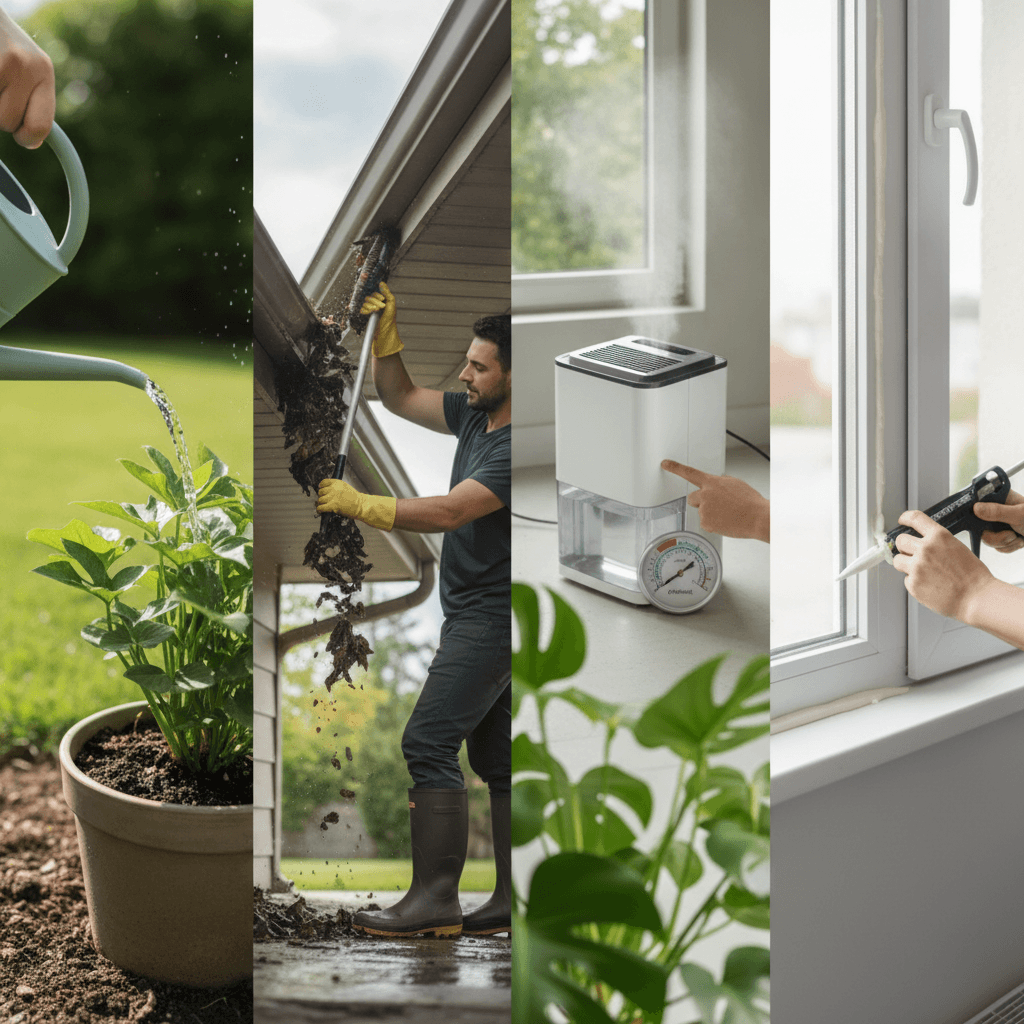
Your home’s exterior acts as its primary defense against moisture. Regular maintenance of gutters and downspouts is important. Make sure they are clear of debris and direct water away from the foundation. I often see homes where clogged gutters lead to water overflowing and damaging exterior walls or seeping into basements.
Inspect your roof regularly for damaged or missing shingles. Seal any cracks in your foundation or exterior walls. These small repairs can prevent large moisture problems from developing indoors. Taking care of the outside directly protects the inside.
The Role of Proper Ventilation and Dehumidification
Beyond opening windows, truly effective moisture control involves strategic ventilation and dehumidification. These are key action steps for moisture management, particularly in homes located in humid climates or those with poor natural airflow. They actively remove excess moisture from the air.
This approach protects your home’s structure and your personal belongings. It also creates a more comfortable and healthier indoor environment. We always consider these elements in our design plans.
Choosing the Right Dehumidifier
A dehumidifier is an indispensable tool for controlling indoor humidity. When choosing one, consider the size of the area you need to treat. A small unit might work for a single room but a larger capacity unit is needed for basements or whole-house coverage. Look for models with an adjustable humidistat and an automatic shut-off feature. This ensures efficiency and prevents overflowing.
Empty the water reservoir regularly or connect it to a drain for continuous operation. Proper placement is also important. Position the dehumidifier in the center of the room or in the dampest area to maximize its effectiveness. This active approach removes moisture from the air.
Smart Ventilation Systems
Modern homes can benefit greatly from smart ventilation systems. These systems often include heat recovery ventilators HRVs or energy recovery ventilators ERVs that bring in fresh air while exhausting stale, humid air. They also help maintain indoor temperature. This means you do not lose energy by simply opening a window.
Smart systems can be programmed to run at specific times or activated by humidity sensors. This automates moisture control and ensures consistent air quality. Investing in such a system is a smart long-term action step for moisture management. It contributes to both home health and energy efficiency.
Recognizing and Addressing Mold Growth Early
Mold is a common consequence of unaddressed moisture. It can degrade interior surfaces and cause serious health issues. Being vigilant for signs of mold growth is an essential action step for moisture control. Catching mold early makes remediation much simpler and less costly.
Ignoring mold allows it to spread, leading to extensive damage and potential health problems for occupants. I make sure our clients understand the importance of early detection.
Common Areas for Mold Development
Mold loves damp, dark and poorly ventilated spaces. Common areas for mold development include bathrooms, basements and areas around leaky pipes. Look for fuzzy patches that can be green, black, white or even orange. A persistent musty odor is also a strong indicator of hidden mold, even if you cannot see it. Check behind wallpaper, under carpets and inside closets in affected areas. These spots often hold moisture. It becomes a perfect breeding ground.
Safe Mold Removal Practices
For small areas of mold, you can often handle cleanup yourself using protective gear. This means wearing gloves, a mask and eye protection. Use a stiff brush with a mixture of water and a mild detergent to scrub the mold away. Make sure to dry the area completely afterward. Dispose of moldy porous materials like drywall or insulation because they cannot be thoroughly cleaned. For larger mold infestations, especially those covering more than a few square feet, we always recommend calling a professional mold remediation service. They have the expertise and equipment to safely and effectively remove it. This protects your home and your health.
When to Call the Professionals for Moisture Control
While many moisture issues can be handled with DIY action steps for moisture, some situations definitely call for professional help. Recognizing when to bring in experts is a wise decision. It prevents the problem from getting worse. Professional intervention can save you time, money and stress in the long run.
We often advise clients to seek professional assistance if the moisture damage is extensive. This includes issues affecting structural components or if there is widespread mold growth. Professionals possess the specialized equipment and knowledge needed for effective remediation. They can accurately identify the source of the problem and implement lasting solutions. It ensures the job is done correctly.
Taking Charge of Your Home’s Moisture Management
Maintaining an ideal interior design goes hand in hand with effective moisture management. We have explored many action steps for moisture, from promptly addressing leaks to implementing long-term preventative strategies. The beauty and longevity of your living spaces depend on your vigilance against this silent threat. From visible leaks to hidden condensation, moisture can quickly degrade the aesthetics and structural integrity of your home. It can also pose significant health risks.
By understanding common moisture sources, taking immediate action during emergencies and adopting preventative measures, you empower yourself to protect your home. Regularly inspect your property, ensure proper ventilation and consider professional help for more complex issues. Remember that your home is an investment. Proactive moisture control safeguards that investment and ensures your interior designs remain vibrant and healthy. Let us all commit to keeping our homes dry, beautiful and secure.